ServicesDuctless Mini-Splits
Ductless Mini-Splits in Deer Park
We design and install ductless mini-splits that heat and cool the rooms your current system misses. Each indoor unit is sized for its room, lines are routed cleanly, and you get a written quote that weighs the price today against what the system costs to run and keep.
Where a Mini-Split Makes Sense
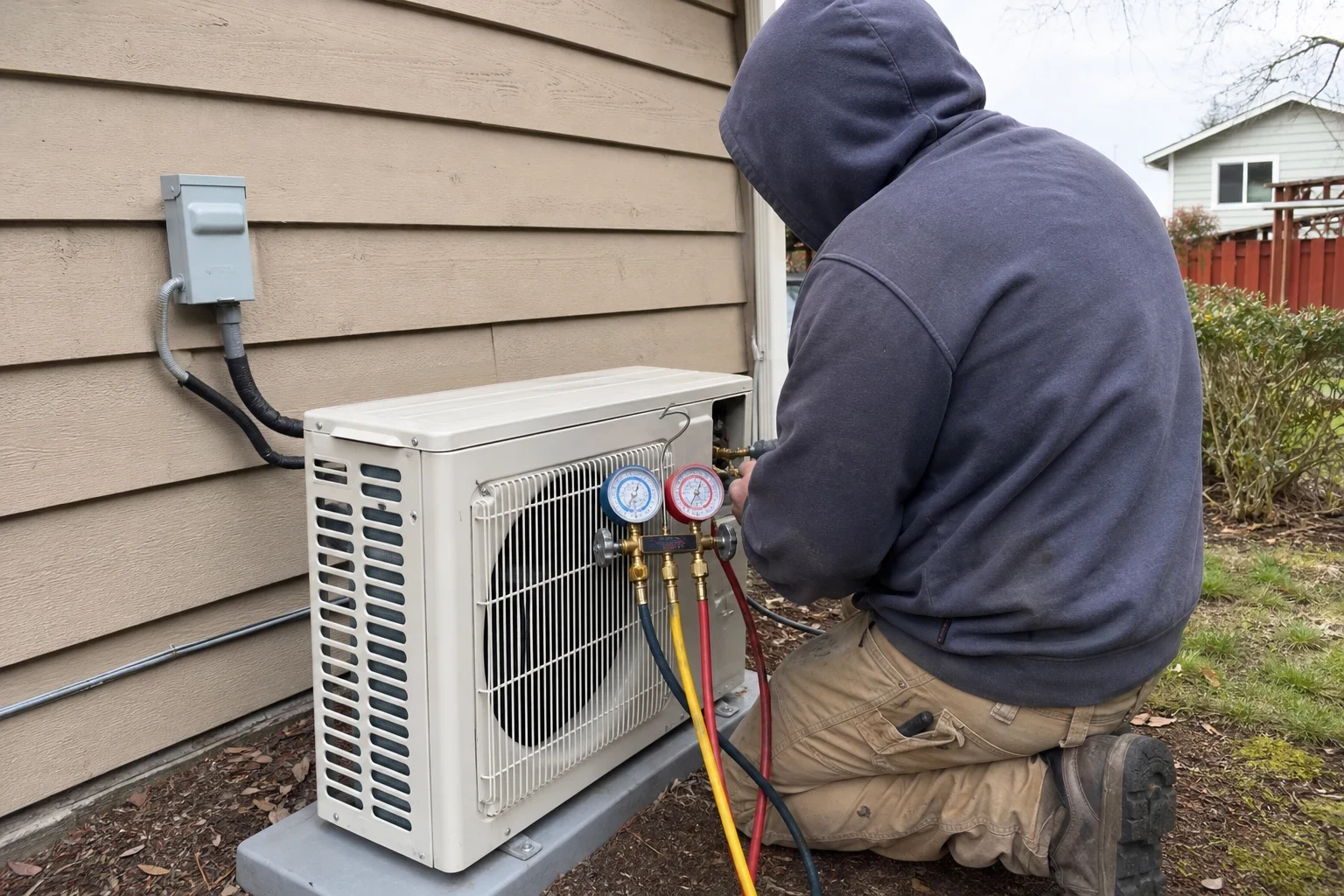
A ductless mini-split connects one outdoor heat pump to one or more slim indoor units, each with its own controls. The refrigerant lines pass through a small hole in the wall, so no ducts need building and no air leaks out of runs in an attic or crawlspace.
They work best where a central system falls short: a bonus room above the garage, a finished basement, an addition, or an older house warmed by electric baseboards. In spaces like these, one mini-split can take the place of a window unit and a wall heater, running quieter and far more efficiently.
We are also upfront when it is the wrong fit. If a whole-house heat pump would serve you better over time, we tell you and walk through the numbers.
What Comes With Our Installation
- Sizing for each room
- We measure every space, account for windows, insulation and sun, and match each indoor unit to its room. A head that is too large cycles too often, wears out sooner and leaves the air damp, so we size precisely instead of generously.
- Equipment built for cold climates
- For houses that face hard winter cold, we suggest inverter models rated to heat well below freezing. We explain efficiency ratings so you can see how much a higher rating saves on bills.
- Neat line routing
- We plan where the lines pass through the wall and run them in paintable covers that lie flat against the siding. Every opening is sealed against air and water.
- Outdoor unit raised and level
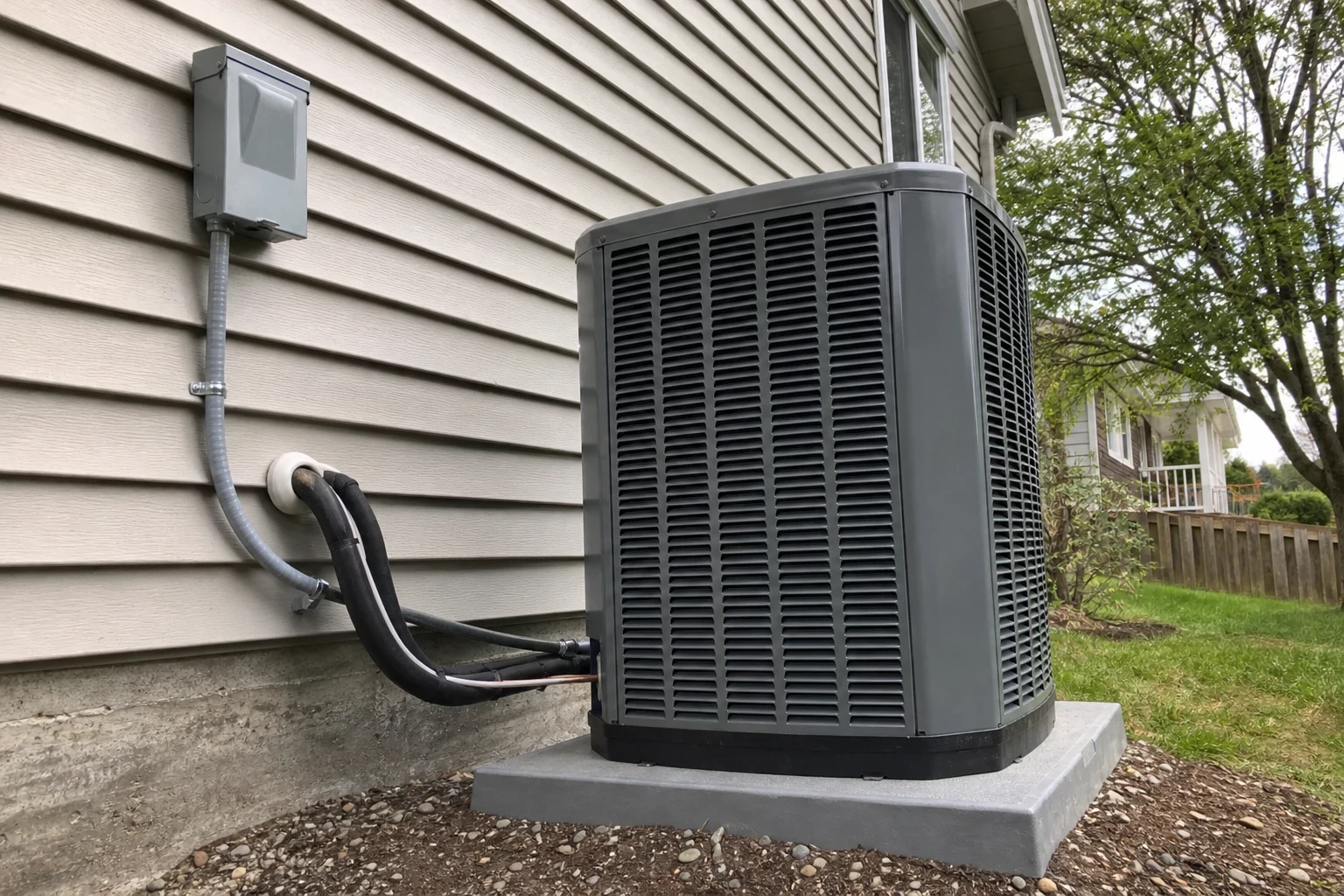
- The condenser sits on a stand or wall bracket above usual snow depth, with space for airflow and drainage so ice does not form beneath it.
- Refrigerant work that is tested
- Each line is pressure-tested with nitrogen and evacuated to a deep vacuum before refrigerant goes in. When this step is skipped, mini-splits often lose capacity within a few years.
- Walkthrough and simple care
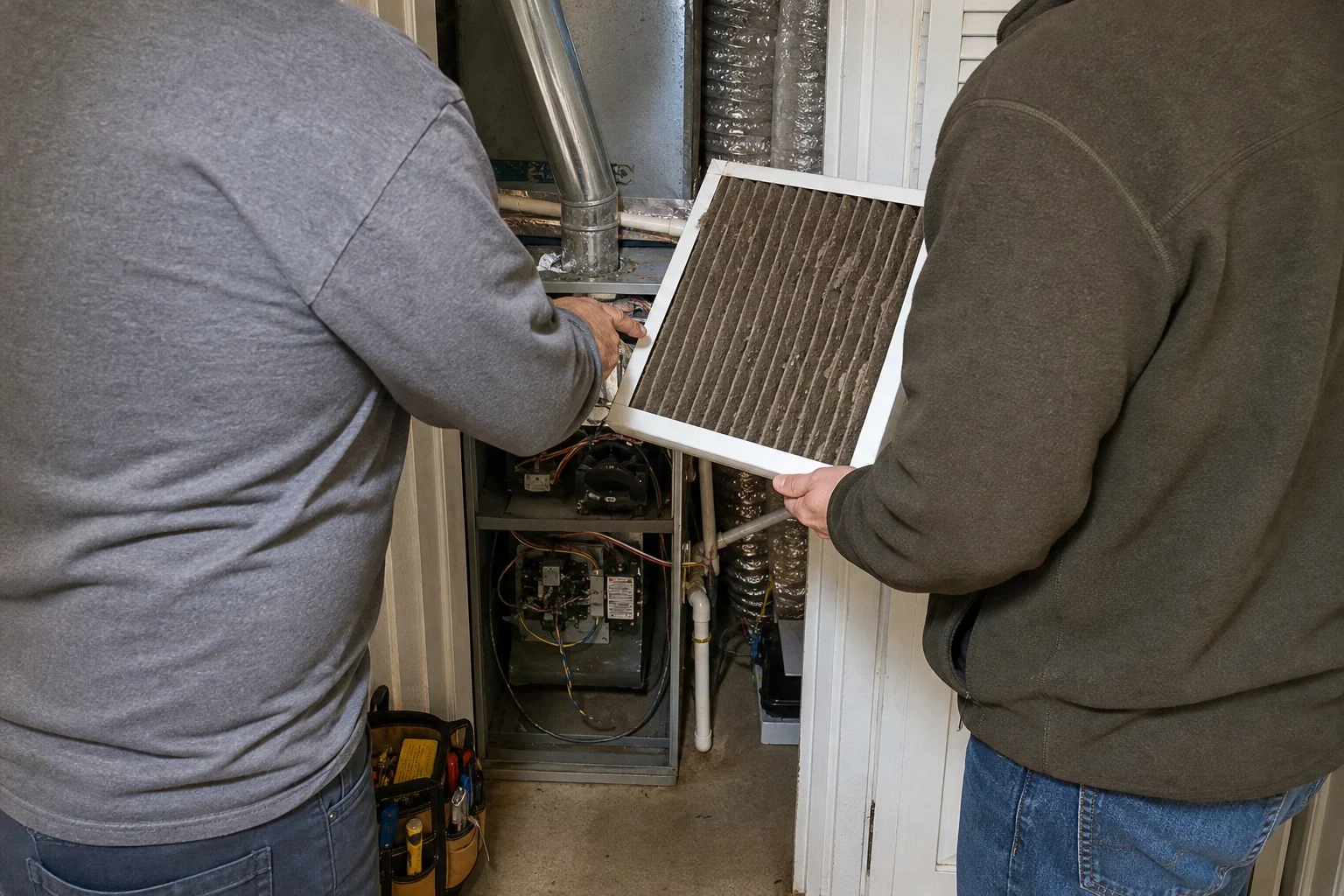
- Before leaving, we go over the remote, the modes and how to rinse the washable filters, the one habit that does the most to keep a mini-split efficient.
Signs Your Home Could Use a Mini-Split
One room is always off
A sunroom that overheats in July or a back bedroom that stays chilly all winter usually sits too far from the main system for it to keep up.
Big bills from baseboard heaters
Electric resistance heat turns each unit of power into one unit of heat. A heat pump moves heat instead, using far less electricity for the same comfort.
Window units every summer
If you lug air conditioners in and out each year, a wall-mounted head cools more quietly, keeps the window closed and stays in place.
An addition or converted space
Stretching a central system into a garage conversion or addition can be expensive and messy. Its own indoor unit skips that work.
An older house without ducts
Houses heated by boilers, wood stoves or wall heaters can get efficient heating and cooling without tearing into walls and ceilings.
What Drives the Price of a Mini-Split
Mini-split jobs are each priced on their own, since the number of rooms and the route between indoor and outdoor units change from house to house. We weigh today's price against what the system will cost to run and service over time, so the decision holds up ten years from now.
How many zones
One room takes a single indoor head and a matched outdoor unit. Every extra zone adds a head, more line set and often a bigger condenser.
Type of indoor unit
Wall-mounted heads are the usual and least costly choice. Ceiling cassettes and floor consoles cost more but fit rooms where wall space or looks matter.
Line length and path
A short, straight run through an outside wall is easiest. Longer runs, upper floors or paths through finished rooms add labor and materials.
Efficiency and cold rating
Higher-rated units cost more to buy and less each month afterward. We lay out that tradeoff clearly.
Panel capacity and rebates
Some panels need a new breaker slot or an upgrade. On the plus side, qualifying heat pump systems can earn Avista rebates and federal tax credits, and we help with the claims so you actually get the money.
How a Mini-Split Job Goes
- 1
Free estimate at your home
Installation and replacement estimates cost nothing. We check each room, the outside wall and your electrical panel, and ask how you use the space.
- 2
A written quote with choices
Before work starts you get a written quote, often with two equipment tiers side by side, so you can weigh purchase price against efficiency and expected upkeep.
- 3
The install
We cover floors and furniture, hang the indoor units, place the outdoor unit, run and test the lines and wire the dedicated circuit. A single zone usually takes one day; multi-zone systems can run longer.
- 4
Startup and handover
We start the system, measure temperatures at every head and go over settings with you. Labor on new installations is covered for up to 3 years, and the work is done by a registered Washington contractor.
Common Mini-Split Questions
Can a mini-split keep the house warm in a deep cold snap?
Cold-climate models keep heating well below freezing, though they put out less as it gets colder. Many homes keep their existing heat for the harshest stretches. We review your rooms and current heating and suggest a setup that stays comfortable all winter.
What maintenance does a mini-split need?
Rinse the indoor filters every few weeks when it runs a lot, and keep snow and debris off the outdoor unit. An annual professional cleaning of the coils and drain line holds efficiency and finds small issues early. Our Maintenance Plans include those tune-ups if you prefer not to keep track.
What is the lifespan of a ductless system?
It depends mostly on correct sizing, a clean install and steady care. A system put in well and looked after usually lasts many years, which is why we focus on the vacuum, the charge and the placement from the start.
Do mini-splits qualify for rebates?
Mini-splits are heat pumps, so many qualify for Avista rebates and federal tax credits. We flag which models meet the rules before you pick, and help with the paperwork once it is installed.
What warranty is included with installation?
We cover labor on new installations for up to 3 years, apart from the manufacturer's parts warranty. Your written quote explains both so you know what is covered.
How noisy are the indoor units?
At normal settings inverter heads run very quietly, often more quietly than a refrigerator. The compressor is outdoors, so most of the running noise stays outside.
Plan a Mini-Split That Earns Its Keep
We serve Deer Park and nearby areas including Mead, Fairwood and Country Homes. Tell us which rooms need help and we will arrange a visit and a clear written quote.